Living in the CSRA has its advantages.
Homeowners enjoy relatively mild winters, long summers, and plenty of sunny days throughout the year.
Unfortunately, those same weather conditions can be tough on roofing systems.
Between intense summer heat, frequent thunderstorms, high humidity, occasional hail, and hurricane-season winds, roofs throughout Augusta, Aiken, Evans, Grovetown, North Augusta, and surrounding communities face challenges that homeowners in other parts of the country may not experience.
The good news is- most roofing problems don’t appear overnight.
Many develop gradually and show warning signs before they become major issues.
In this article, we’ll look at the roofing problems that contractors most commonly encounter throughout the CSRA and what homeowners should watch for.
Quick Answer
The most common roof problems in the CSRA include storm damage, missing shingles, roof leaks, algae staining, ventilation issues, flashing failures, granule loss, gutter problems, and algae-related deterioration. The region's combination of heat, humidity, thunderstorms, and occasional severe weather can accelerate roof aging and create conditions that lead to these issues.
Table of Contents
Storm Damage
Storm damage is one of the most common reasons homeowners contact a roofing contractor in the CSRA.
Strong thunderstorms regularly produce:
High winds
Falling tree limbs
Wind-driven rain
Occasional hail
Even when damage isn’t obvious from the ground, storms can loosen shingles, damage flashing, or create vulnerabilities that lead to future leaks.
Many homeowners don’t discover the damage until months later.
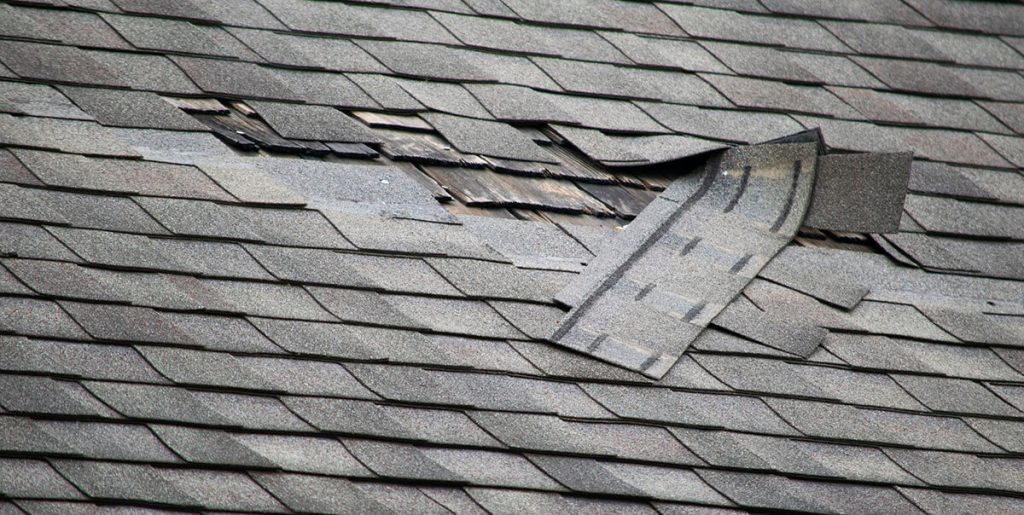
Missing or Lifted Shingles
Wind damage often results in shingles becoming:
Missing
Lifted
Creased
Partially detached
Because shingles work together as a system, losing even a few shingles can expose underlying roofing materials to weather.
If left unaddressed, a small problem can become a larger repair.
Roof Leaks
Leaks are among the most common homeowner concerns.
While many people assume leaks come from old shingles, they can also be caused by:
Damaged flashing
Storm damage
Ventilation penetrations
Pipe boots
Chimney areas
Skylights
By the time water becomes visible inside the home, the problem may have existed for some time.
Algae Staining
If you’ve driven through neighborhoods in Augusta or Aiken, you’ve probably seen roofs with black streaks running down them.
In many cases, this isn’t dirt.
It’s algae.
The humid climate throughout Georgia and South Carolina creates ideal conditions for algae growth.
While algae staining is often cosmetic, many homeowners dislike the appearance and seek roofing products designed to resist it.
Ventilation Problems
Ventilation issues are extremely common but often go unnoticed.
Many homeowners don’t realize that attic ventilation affects:
Roof lifespan
Energy efficiency
Moisture control
Indoor comfort
Poor ventilation can trap heat and moisture inside the attic, which may contribute to premature roof aging.
Ventilation problems are frequently discovered during roof inspections.
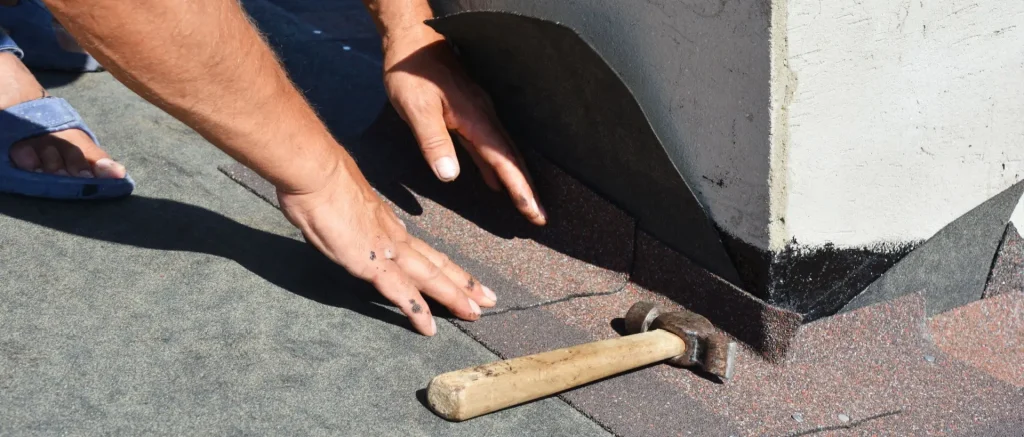
Flashing Failures
Flashing is the metal material used to seal vulnerable areas of a roof.
You’ll typically find flashing around:
Chimneys
Skylights
Roof-to-wall transitions
Plumbing penetrations
When flashing becomes damaged, rusted, loose, or improperly installed, water can find its way into the roofing system.
Many roof leaks originate from flashing problems rather than the shingles themselves.
Granule Loss
Asphalt shingles are coated with protective granules.
Over time, shingles naturally lose some granules as they age.
Excessive granule loss can reduce a roof’s ability to protect itself from:
UV exposure
Heat
Weathering
Homeowners may notice granules:
In gutters
Near downspouts
Around the perimeter of the home
Significant granule loss is often a sign of roof aging.
Gutter Problems
Although gutters aren’t technically part of the roofing surface, they play a critical role in protecting the home.
Common gutter issues include:
Clogs
Sagging sections
Leaks
Improper drainage
When gutters fail, water may not be directed away from the home properly.
This can contribute to:
Fascia damage
Foundation concerns
Roof edge deterioration
Tree-Related Roof Damage
The CSRA has no shortage of mature trees.
While trees provide shade, they can also create roofing problems.
Common issues include:
Falling branches
Scraping limbs
Debris buildup
Moisture retention
Overhanging branches can increase wear on roofing materials and create additional maintenance needs.
Aging Roofing Systems
Sometimes the biggest problem is simply age.
Most asphalt shingle roofs eventually experience:
Material deterioration
Increased repair frequency
Reduced weather resistance
As roofs approach the end of their service life, homeowners often notice multiple issues occurring at the same time.
This is when replacement conversations typically begin.
Which Problem Is Most Common?
If we were to narrow the list down, the three roofing issues most commonly encountered throughout the CSRA are:
Storm damage
Algae staining
Ventilation-related problems
These issues are heavily influenced by the local climate and weather patterns found throughout Georgia and South Carolina.
How Can Homeowners Prevent Roofing Problems?
While no roof is maintenance-free, homeowners can reduce the risk of major issues by:
Scheduling periodic roof inspections
Addressing repairs promptly
Keeping gutters and roofs free of debris build up
Monitoring storm damage
Trimming overhanging branches
Maintaining proper attic ventilation
Preventive maintenance often helps identify problems before they become expensive repairs.
The most common roof problems in the CSRA include storm damage, missing shingles, leaks, algae staining, ventilation issues, flashing failures, granule loss, gutter problems, and age-related deterioration.
The combination of heat, humidity, severe weather, and seasonal storms creates unique challenges for roofing systems throughout Georgia and South Carolina.
Understanding these common problems can help homeowners recognize warning signs earlier and make informed decisions about maintenance, repairs, and future roof replacements.